Yizong · The Moral Dragon · Bath, UK
Hebei Xingyiquan
Five element fists, twelve animals, and explosive whole-body power — Yizong lineage from master Luo Dexiu of Taiwan.
What is Xingyiquan?
Xingyiquan (形意拳), or “Form and Intention Boxing,” is one of the three great internal kung fu systems, alongside Baguazhang and Taijiquan. It unites mind and movement into one focused expression. The movements look simple and direct, yet within them lie deep principles of structure, intent, and internal power.
Easy to begin but endlessly challenging to master, Xingyiquan builds strength, clarity, and resilience — qualities that grow both in practice and in life.
At The Moral Dragon we teach traditional Hebei Xingyiquan as passed down through the Yizong (易宗) school of Taiwan, from master Luo Dexiu (羅德修). Training develops real-world stability and coordination through efficient movements rooted in traditional Chinese kung fu. Students learn to generate power from relaxed structure, connect body and mind, and move with purpose and confidence — whether the aim is health, self-defence, or personal growth.
The character of Hebei Xingyi
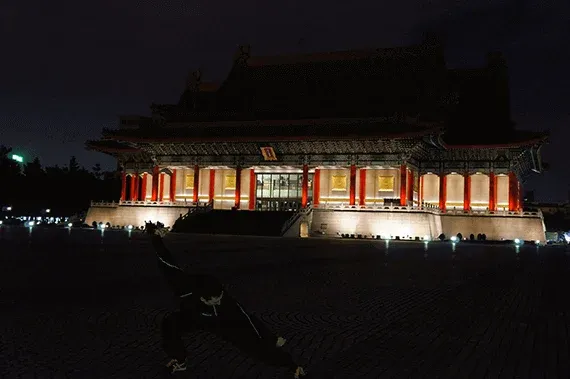
Aggressive, linear movements and explosive power characterise Hebei Xingyi. It will change the way you think about martial arts.
The movements are concise — straight in and straight out. Xingyi uses calm, steady power to develop awareness and qi. Emphasis is placed on single drills as the fundamental method of practice and the means of execution.
Explosive strength sits at the core of issuing power (fajing). A practitioner uses coordinated whole-body movement to generate bursts of force intended to overwhelm an opponent with rapid, devastating strikes. Yet the tradition of a skilled Xingyiquan master is that he can defeat a challenger so skilfully as not to leave them seriously injured.
Our Xingyi fist syllabus
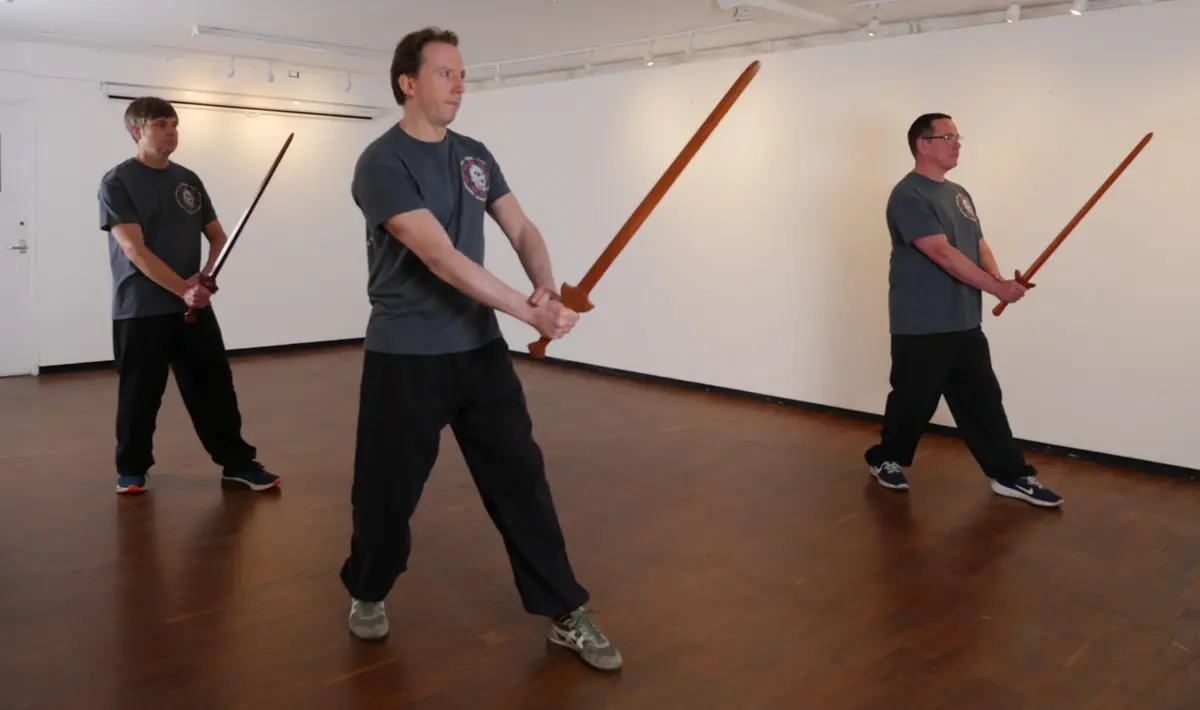
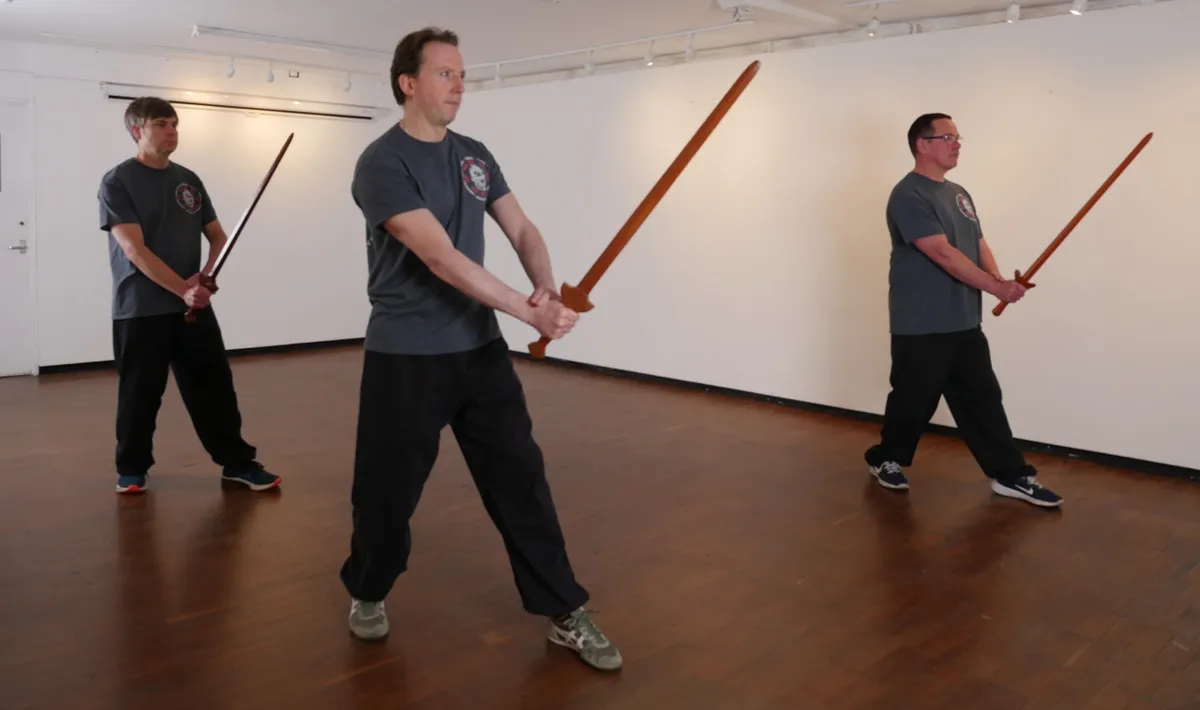
The Yizong Xingyiquan curriculum taught at The Moral Dragon includes basic hand methods, the five elements, twelve animals, linking forms, weapons-related training methods, and the body skills of fajin and stepping.
Xingyiquan employs the five elemental fists — Pi (chopping), Zuan (drilling), Beng (crushing), Pao (cannon pounding), and Heng (crossing) — together with Twelve Shape Fist as its basic fist methods. In standing practice it uses the Three Bodies Posture (santishi) as its foundation.
Single and repetitive drill practice, as well as standing cultivation, were transmitted by Li Luoneng into both Hebei and Shanxi Xingyiquan.
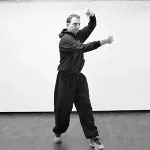
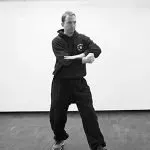
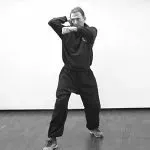
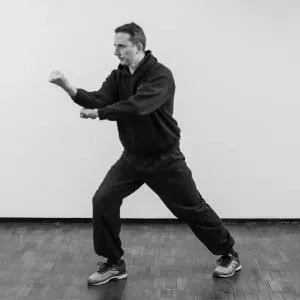
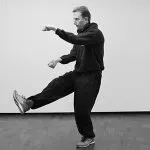
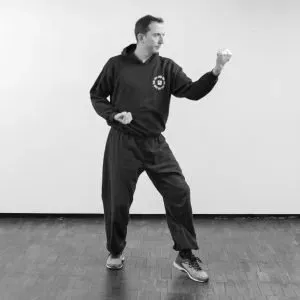
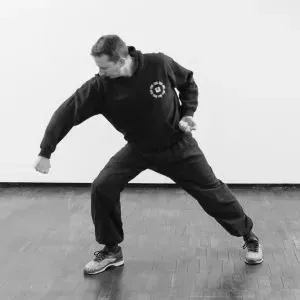
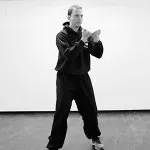
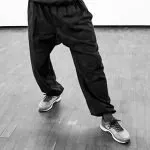
The five elements
The five element movements are regarded as natural and dangerous. They are the mother fists from which the rest of the system grows.
| Name | Chinese | Pinyin | Element | Description |
|---|---|---|---|---|
| Chopping | 劈 | Pī | Metal | Chopping forward and over, downwards like an axe. |
| Drilling | 鑽 | Zuān | Water | Drilling forward and upwards diagonally. |
| Crushing | 崩 | Bēng | Wood | Striking out to the front, like an arrow. |
| Exploding | 炮 | Pào | Fire | Exploding outward like a cannon. |
| Crossing | 橫 | Héng | Earth | Crossing across the line of attack while turning over. |
Drilling fist on the bag is a core training method for developing the penetrating power of 鑽 (Zuàn) within the five elements.
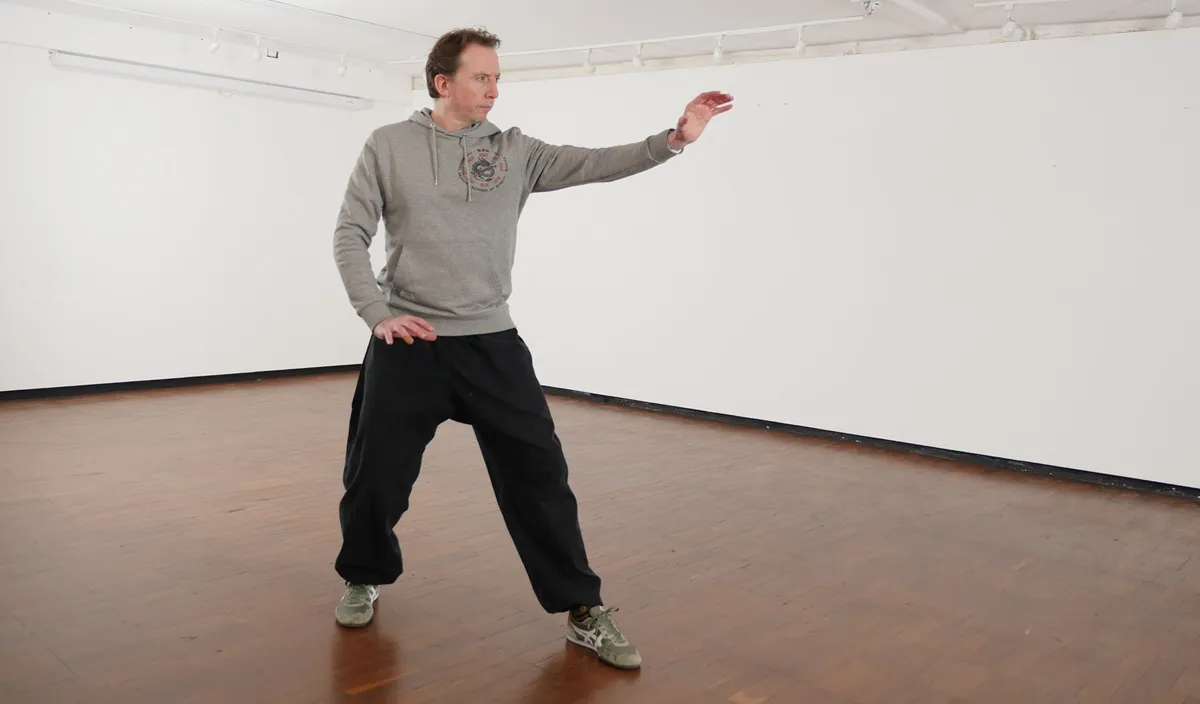
Xingyiquan twelve shape fist
From Xingyi’s mother fist — Five Element Fist — the twelve shapes evolve. Five Element Fist requires the six harmonies to become one. From six yin and six yang it originates; borrow the form, and you can employ every skill under heaven and earth.
A Xingyi practitioner must take on the special characteristics of twelve animals, create attacking methods, and compose fist forms from them — extrapolating the natural attacking and defending skills of predators. You resemble the animal’s shape and take its consciousness: form follows consciousness, consciousness creates form, turning that special skill into human ability.
The intent of the twelve shapes
- Dragon — 龍形 (lóng xíng) — the ability to contract the skeleton.
- Tiger — 虎形 (hǔ xíng) — the ability to spring upon its prey.
- Monkey — 猴形 (hóu xíng) — the ability to climb mountains.
- Horse — 馬形 (mǎ xíng) — churning, fast hooves.
- Alligator — 鼉形 (tuó xíng) — skilful swimming and floating in water.
- Rooster — 雞形 (jī xíng) — a competitive fighting nature.
- Sparrow hawk — 鷂形 (yào xíng) — the form for piercing through heaven.
- Swallow — 燕形 (yàn xíng) — the ability to skim over the water.
- Snake — 蛇形 (shé xíng) — the skill to move grass aside.
- Eagle — 鷹形 (yīng xíng) — the skill of seizing.
- Bear — 熊形 (xióng xíng) — the skill of shaking and pulling out.
- Vulture (Tai Bird) — 太鳥 (tàiniǎo) — striking and ramming movements.
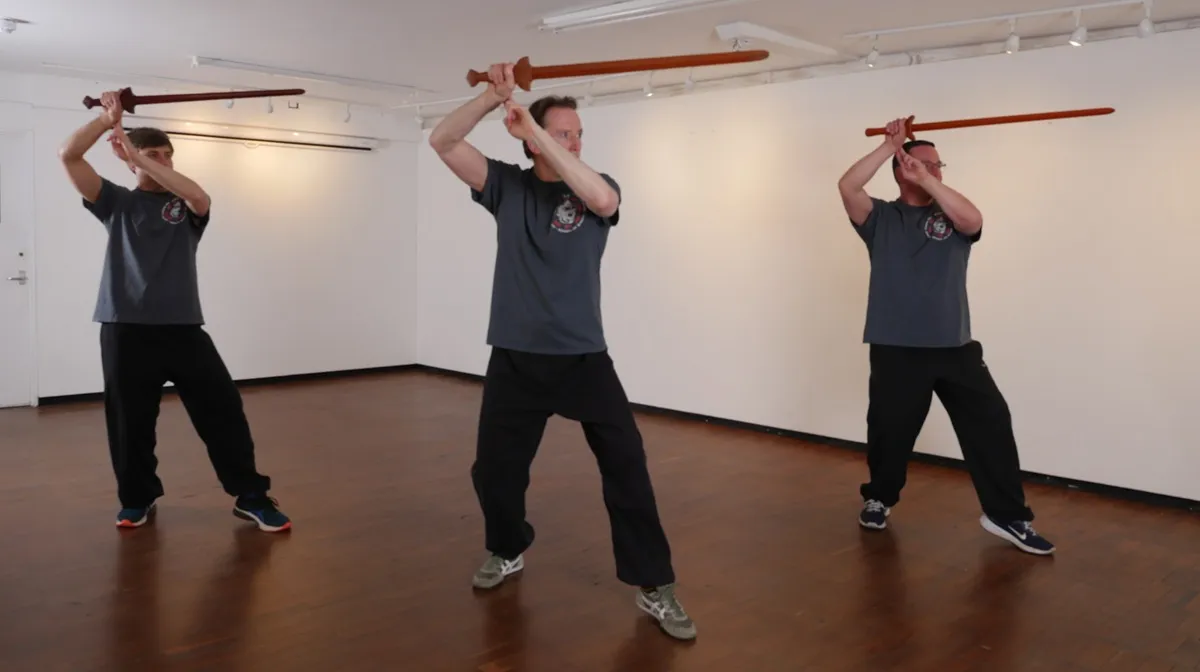
Thoughts on Xingyiquan
There is something really special about Xingyi. It has just the right balance between expression of form in movement and the hard-line practicality of fighting application. Xingyi teaches structure, coordination, and timing very well, and there are also some excellent issuing-power (fajing) drills that help you get connected and use that all-important whole-body power.
I love the twelve animal forms; all twelve of them are great: the hooks and defence found in the Monkey, the crushing forearm and elbows of the Rooster, the sheer brutality of the Bear… I could go on. Each animal has its innate characteristics, but more importantly, much of the fighting application is usable.
If I had to choose one martial art for the rest of my life, it would be Xingyi.
There is a quote from master Hong Yixiang that goes along the lines of: hold santishi (Three Bodies Posture) for an hour a day, and you’ll discover how to improve your qi. I have never quite managed to stand for an hour a day, but I did practise a lot of Santi posture for long periods over the years and experienced some profound breakthroughs in both mind and body.
— Ollie Smith
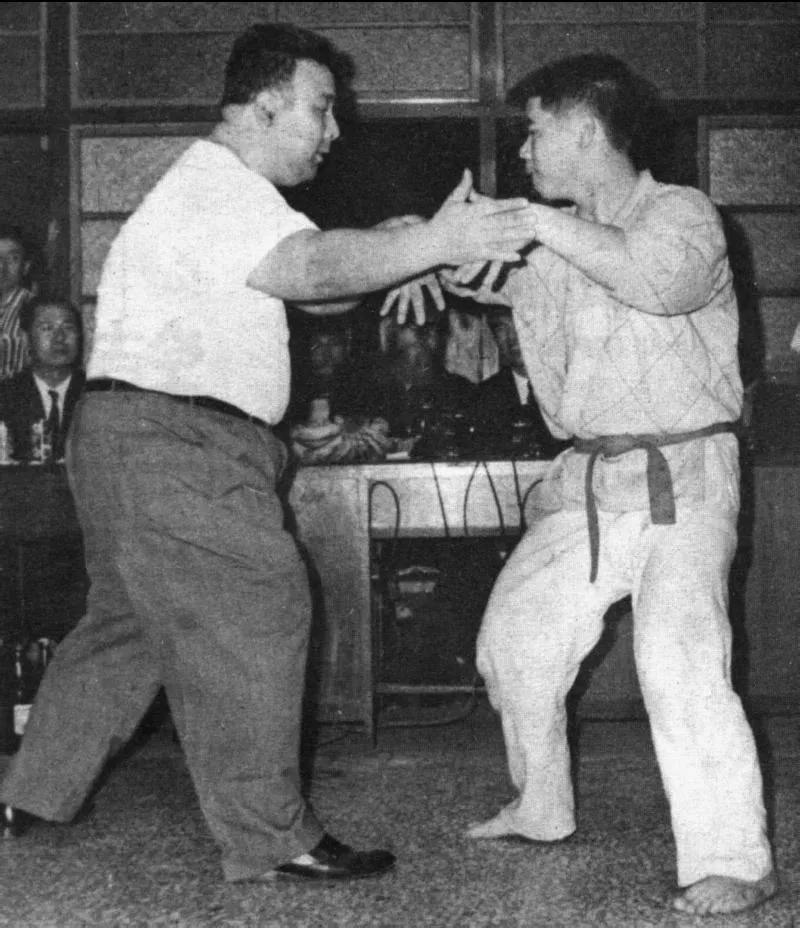
A brief history of Xingyi Quan
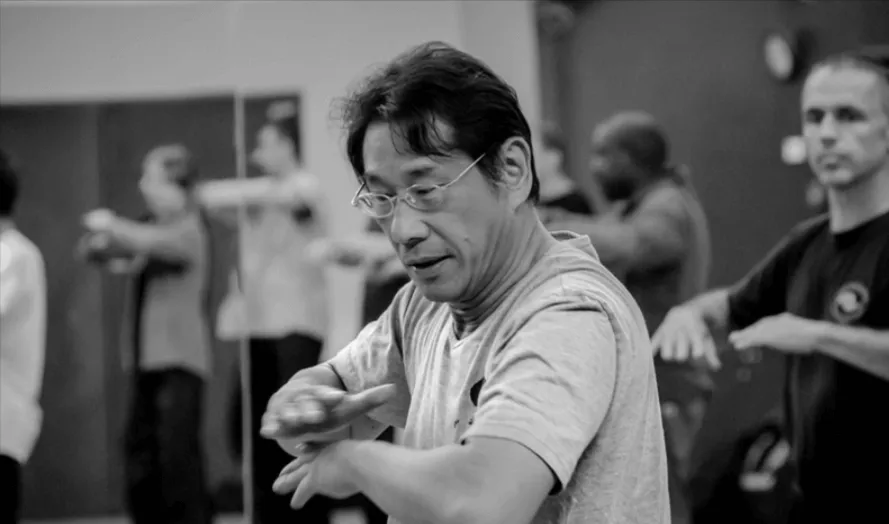
By Luo Dexiu
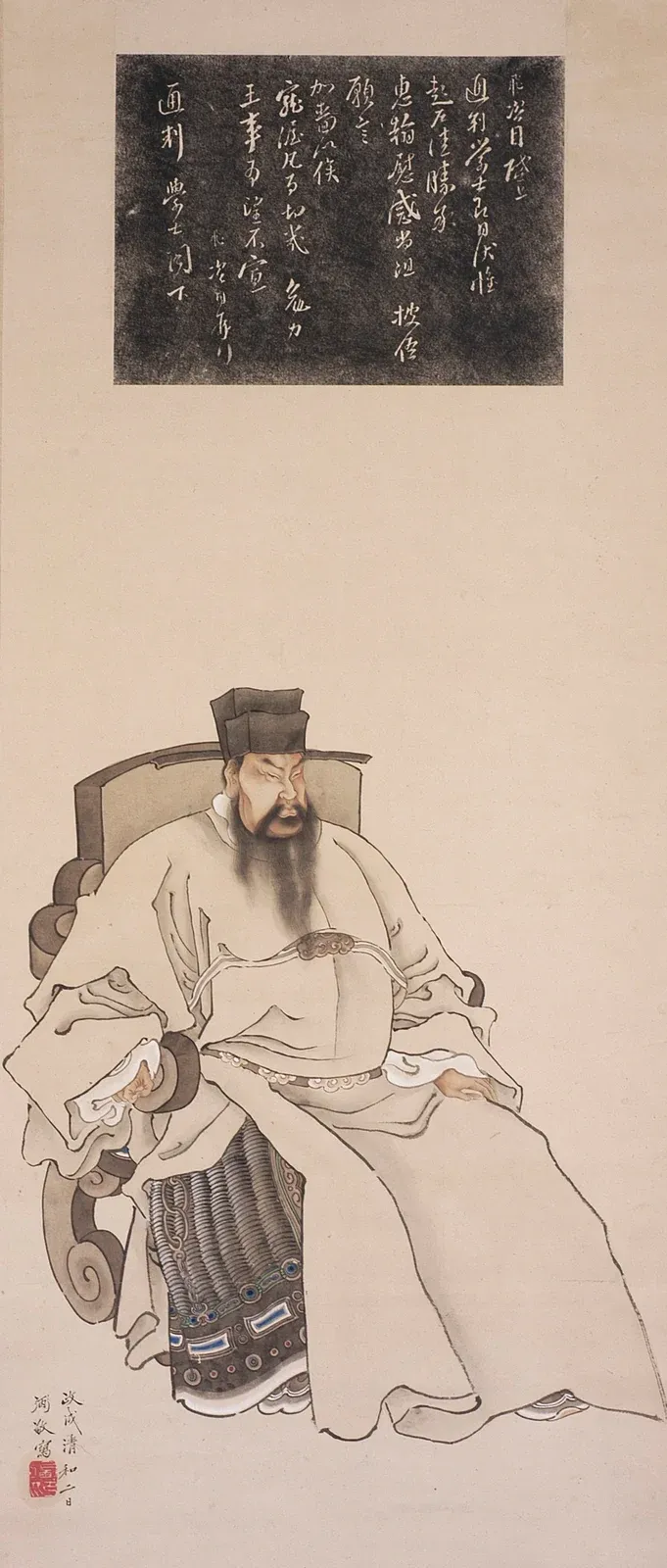
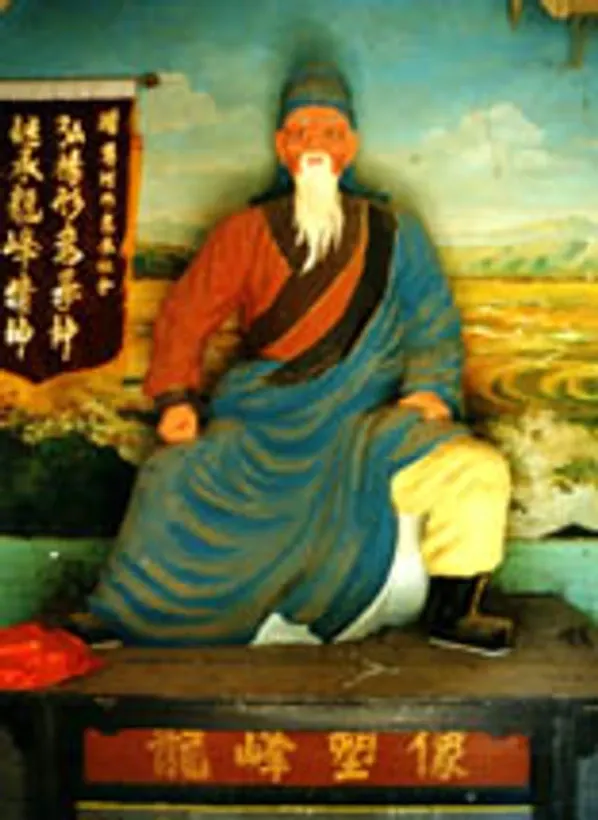
Xingyi honours Yue Fei as the founder of its school; its origin can be traced to Ji Jike (also known as Ji Longfeng) of Shanxi in the early Qing dynasty.
Li Luoneng considered the essence of Xinyiquan to manifest in the mutual interchange of “external structure” and “internal awareness”. Having both “form” and “manifestation of awareness”, it was initially named Shape Awareness Boxing.
It is said that Ji Jike created Xinyiba and was also proficient in the Liuhe spear method. Later he obtained the posthumous martial-arts chronicle of Yue Fei, in which the execution of the big spear was employed as fist methods and united with his original study of Xinyiba to create this martial art.
The descendants of Ji Jike are divided into various systems — Henan, Shanxi, Hebei, and others — and are differentiated under different lineages and names, including Xinyi Liuhe, Xinyiquan, and Xingyiquan. The currently popular style of Xingyiquan developed from Shanxi Dai-clan Xinyiquan, as modified by Li Luoneng of Shenzhou, Hebei.
How we train at The Moral Dragon
Monday classes in Bath focus on Gao-style Baguazhang. Xingyi Five Elements has also begun to appear in the warm-up. If enough people show interest in learning Xingyi, a dedicated Xingyi class may start. Meanwhile Ollie still accepts bookings for dedicated Xingyi lessons — standing practice, five element drills, animal forms, issuing power, stepping, and fighting application. Groups are small; correction is direct. Progress follows ability, not grades or belts.
Whether you are new to martial arts or bringing experience from another system, the requirement is the same: patience, consistency, and a willingness to work.
View class times and details → · Enquire about Xingyi lessons → · Gao-style Baguazhang →