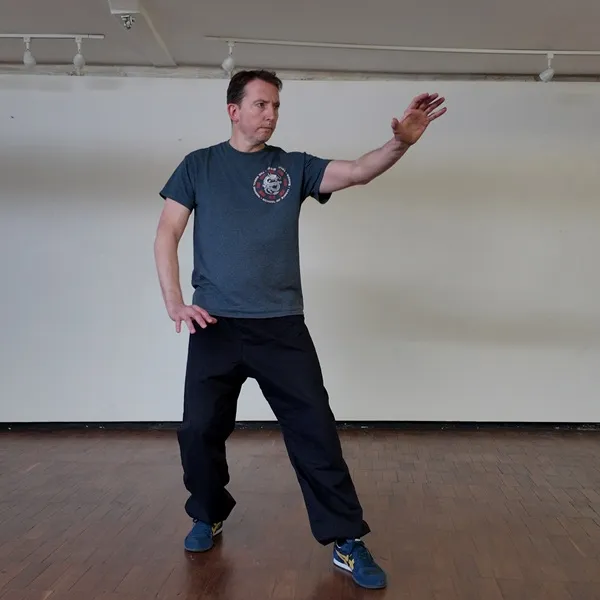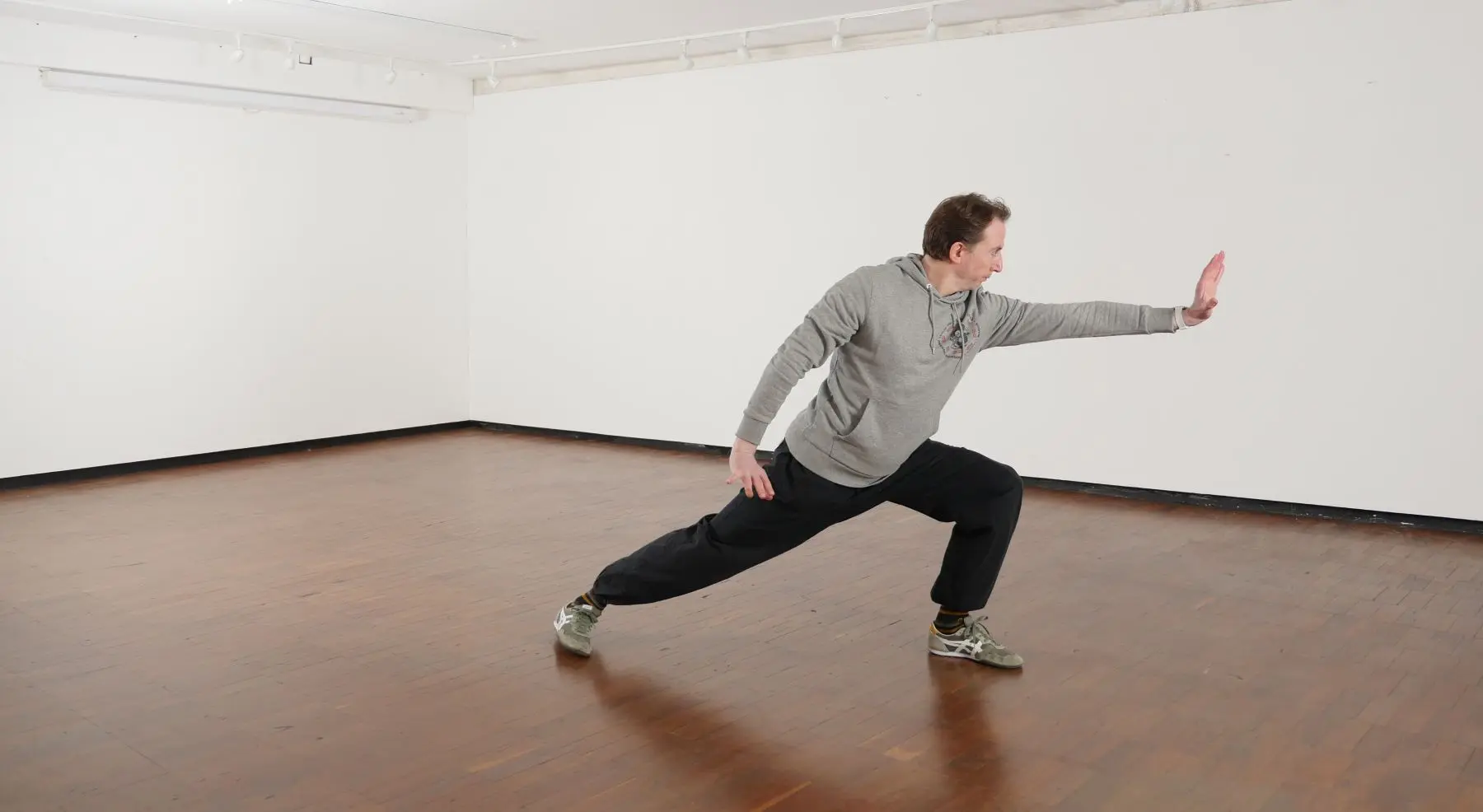
Yizong · The Moral Dragon · Bath, UK
Gao-style Baguazhang
Circle walking, palm changes, and sixty-four fighting forms — Yizong lineage from master Luo Dexiu of Taiwan.
What is Baguazhang?
Baguazhang (八卦掌, “eight trigram palm”) is one of the three great internal kung fu systems, alongside Xingyiquan and Taijiquan. The name refers to the eight trigrams of the I Ching (易經). At its heart, Bagua teaches change — how to control mind and body so you can move and strike better than an opponent who cannot adapt.
At The Moral Dragon we teach Gao-style Baguazhang (高氏八卦掌) as passed down through the Yizong (易宗) school of Taiwan, from master Luo Dexiu (羅德修). Training is practical, demanding, and complete — not performance art, not mysticism for its own sake.
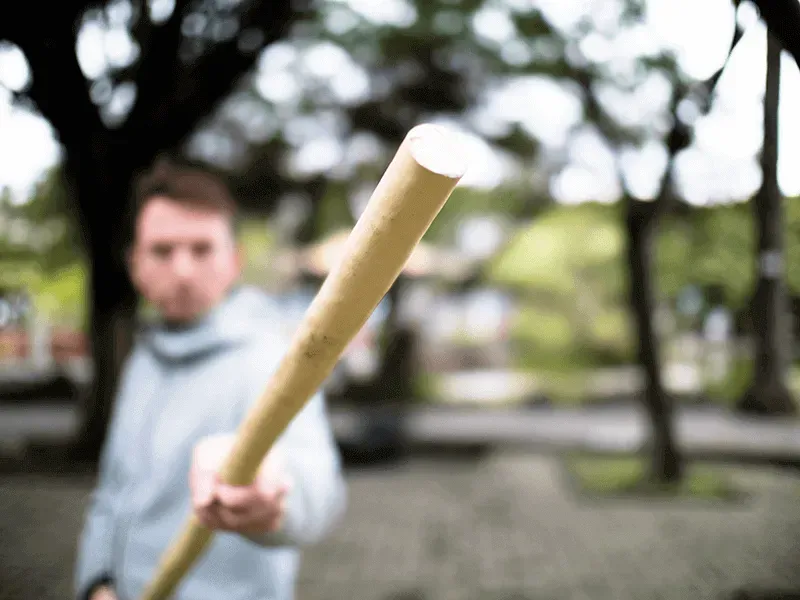
Gao style: pre-heaven and post-heaven
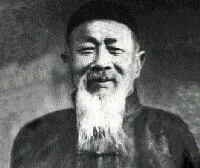
Gao Yisheng (高義盛, 1866–1951) was a master of the Cheng Tinghua branch of Baguazhang. Over decades of fighting, teaching, and refinement he organised Cheng-style material into a distinctive system now practised worldwide, especially in Tianjin, Taiwan, and among serious students in the West.
Gao style divides practice into two complementary halves:
- Pre-heaven (先天, xiantian) — circle walking and palm changes on a continuous circle. This is the foundation: structure, stepping, spiralling power, and the body method that everything else rests on.
- Post-heaven (后天, houtian) — sixty-four linear palms practised in straight lines. These are fighting forms: consecutive strikes, elbows, kicks, footwork, and animal-body methods that link one technique into the next.
Gao style is also known for its line work — many principles appear in straight-line stepping similar to Xingyiquan. Supplemental training includes qigong, standing meditation, breathing methods, conditioning, stretching, push-hands, weapons, and partner application.
Pre-heaven is externally round and internally square; post-heaven is externally square and internally round. With long practice, the two unite — interception, entwining, hard and soft, empty and full become one responsive body.
Yizong lineage
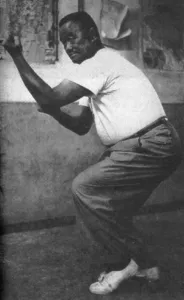
We teach Gao-style Baguazhang through the Taiwan Yizong school — the line of Zhang JunFeng, the Hong brothers, Luo Dexiu, and Ollie Smith (龍德館). Read the full Yizong lineage →
Gao style in Tianjin
One of the three main branches of Gao Yisheng’s art remained in Tianjin, where Liu Feng Cai and his students preserved the complete pre-heaven and post-heaven syllabus. The Tianjin line is known for rigorous body method, clear structure, and practical fighting application.
Through Zhang JunFeng’s teaching in Taiwan, this Tianjin material became central to the Yizong school that Luo Dexiu inherited — circle walking, palm changes, weapons, and the sixty-four linear palms all trace back to this branch of the family tree.
Master Luo’s approach
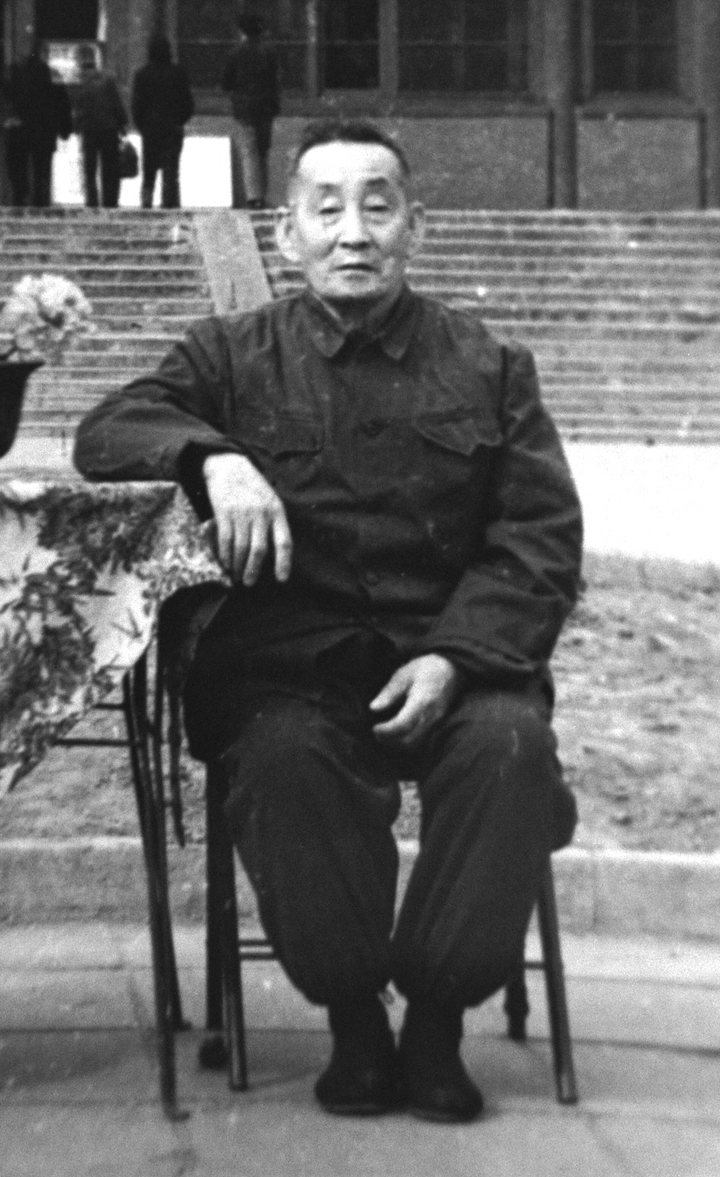
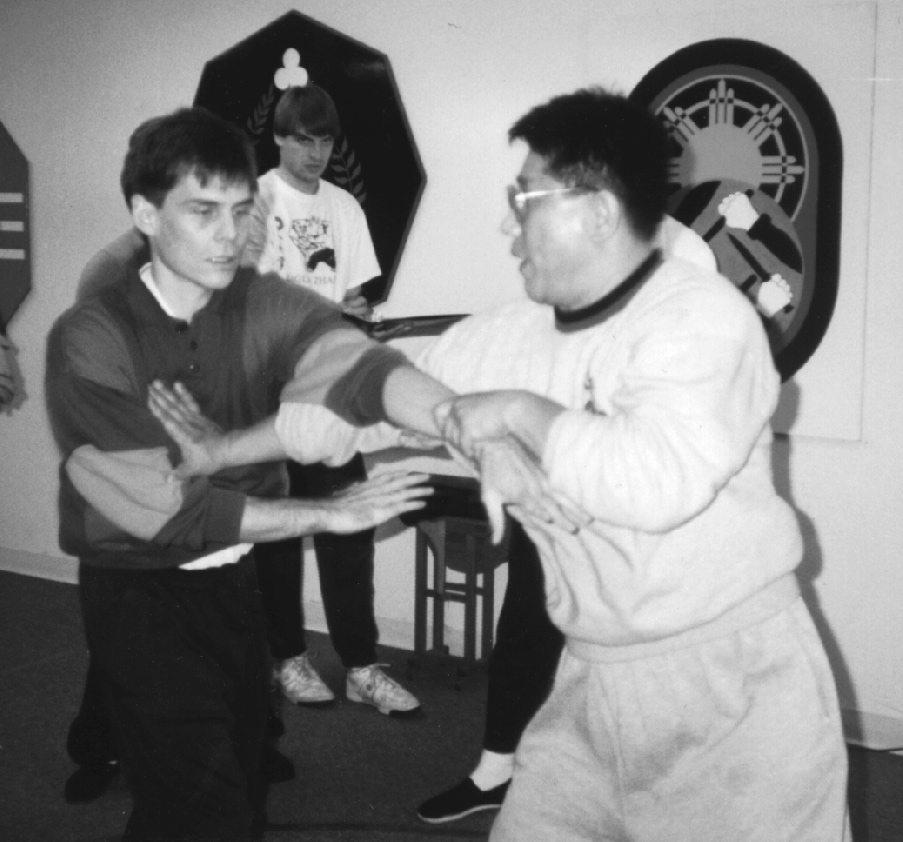
Luo’s teaching centres on martial effectiveness — traditional syllabus, partner work, and hard physical practice rather than endless discussion. That practical spirit is why training at The Moral Dragon follows the same path. Read about Luo Dexiu and the Yizong lineage →
Pre-heaven: circle walking and palm changes
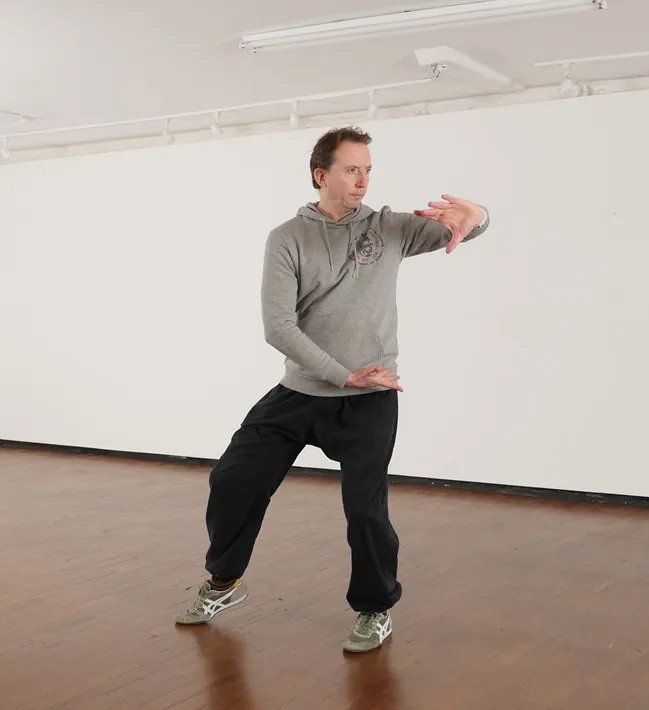
Pre-heaven Bagua is continuous walking on a circle of roughly twelve to thirteen steps. You walk a fine line with structured stepping that keeps the circle neat and balanced — physically demanding, with continuous change, heaviness, clean steps, and unbroken flow.
Circle walking trains sinking, stability, roundness, and heaviness through mud stepping (tang ni bu). The circle is a forge for skill — not a fighting strategy of walking around an opponent, but the foundation from which post-heaven application grows.
The dragon: head, body, and tail
In the Yizong pre-heaven syllabus, the forms map to a dragon:
- Head — the Single Palm Change (dan huan zhang), which lets you change direction on the circle. Gao style includes several major variations (lower form, piercing palm, reverse palm change, and others).
- Body — eight palm changes, each taught in big and small frame versions:
- Snake Smooth Movement Palm (smooth body palm)
- Dragon Piercing Hand Palm (piercing body palm)
- Turn Back and Strike the Tiger Palm (returning body palm)
- Swallow Overturning, Covering Hand Palm (overturning body palm)
- Turn the Body Over the Back Palm (turning body palm)
- Twist the Body, Leaning Forward Palm (twisting body palm)
- Swing the Body and Insert from Behind Palm (behind the back palm)
- Turn the Body, Pull and Hook Palm (spinning body palm)
- Tail — Black Dragon Swings Its Tail (烏龍擺尾, wū lóng bǎi wěi), five palms practised as one closing sequence.
Movements should be smooth and soft, yet structurally solid — upper and lower body, inside and outside, united into one power. Explore each Pre-Heaven palm →
Post-heaven: the sixty-four palms
Post-heaven training consists of sixty-four martial forms in eight lines of eight palms each — guiding principles, striking methods, skilful and subtle methods, elbows, kicks, stepping, and animal-body characteristics.
Practice begins with stance holding and the entwining palm method. Emphasis is on hardness (gang) within which softness is hidden — methodology, force, and structure developed from the inside out.
Application is guided by nine qualities: smooth, brave, straightforward, clever, subtle, continuous, ruthless, rapid, and skilful. Line 1 is the prototype; complexity builds line by line as skill deepens.
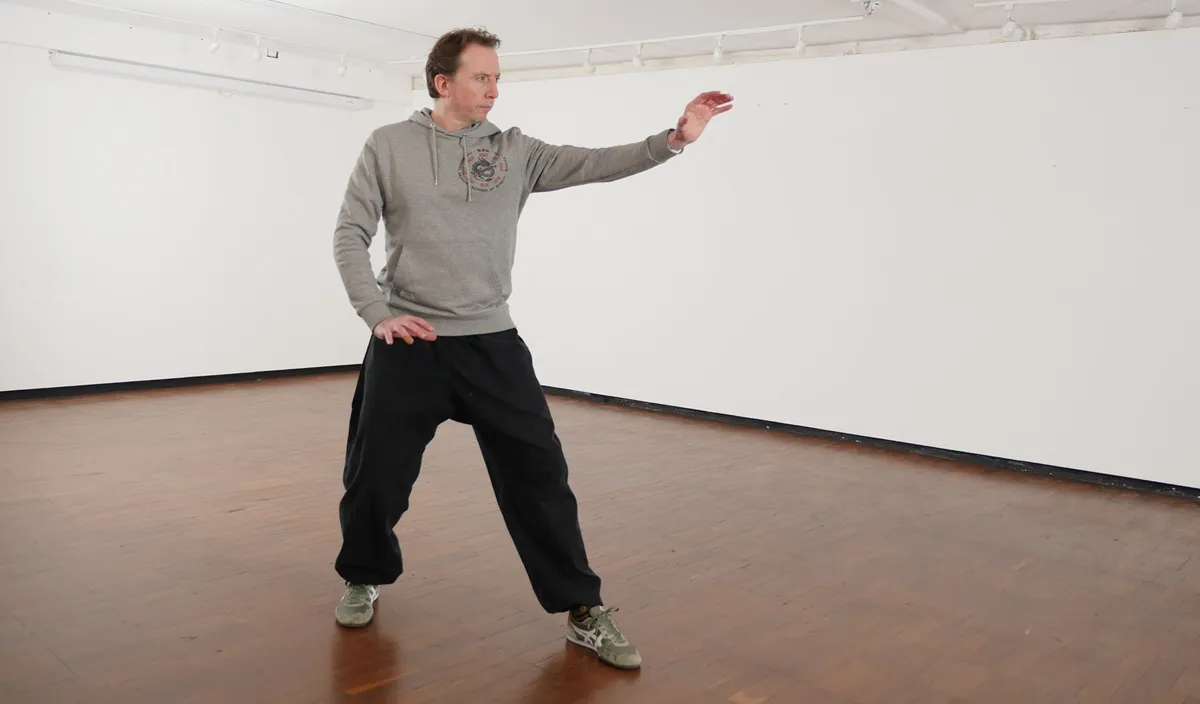
Basic hand techniques (基本手法)
The Yizong syllabus includes a systematic set of basic hand methods taught by Luo Dexiu — solo postures and partner drills that train structure, sticking, issuing, and the transitions between hard and soft.
These are not ornamental. Each posture connects to fighting application: how the hands enter, adhere, lock, and finish. Partner work makes the principles immediate — you feel when structure is true and when it collapses.
This material is central to how we train at The Moral Dragon: clear body method first, then speed and power built on top of correct form.
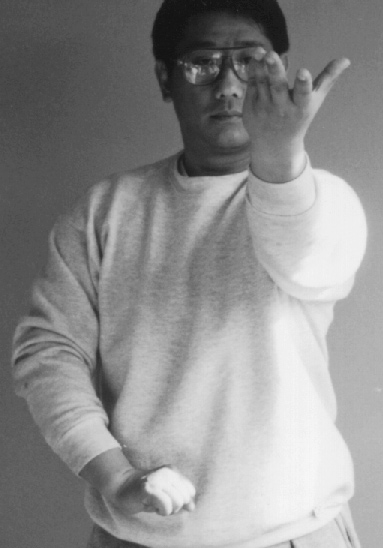
How we train at The Moral Dragon
Monday classes in Bath focus on the traditional Gao-style syllabus: structured warm-up and conditioning, circle walking, palm changes, partner drills, and fighting application. Groups are small; correction is direct. Progress follows ability, not grades or belts.
You will learn legs first, then body, then hands — steady and solid before light and nimble. Whether you are new to martial arts or bringing experience from another system, the requirement is the same: patience, consistency, and willingness to work.