Yizong · The Moral Dragon · Bath, UK
Luo Dexiu
羅德修 — Gao-style Baguazhang, Hebei Xingyiquan, and Chen Panling Taijiquan from the Yizong lineage of Zhang Junfeng.
Luo Dexiu (羅德修)
Luo Dexiu (also written Lo Te-Hsiu; pinyin Luó Déxiū) is a Taiwanese martial artist specialising in the internal arts of Gao-style Baguazhang, Hebei Xingyiquan, and Chen Panling Taijiquan. Born in Taipei in 1956, he is one of the principal teachers carrying the Yizong (易宗) tradition of Zhang Junfeng into the present day.
At The Moral Dragon we know him simply as Laoshi — teacher. Ollie Smith trained with him for many years in Taipei, and still trains with him and speaks with him by phone to this day, continuing that line in Bath.
Early training and the fighting years
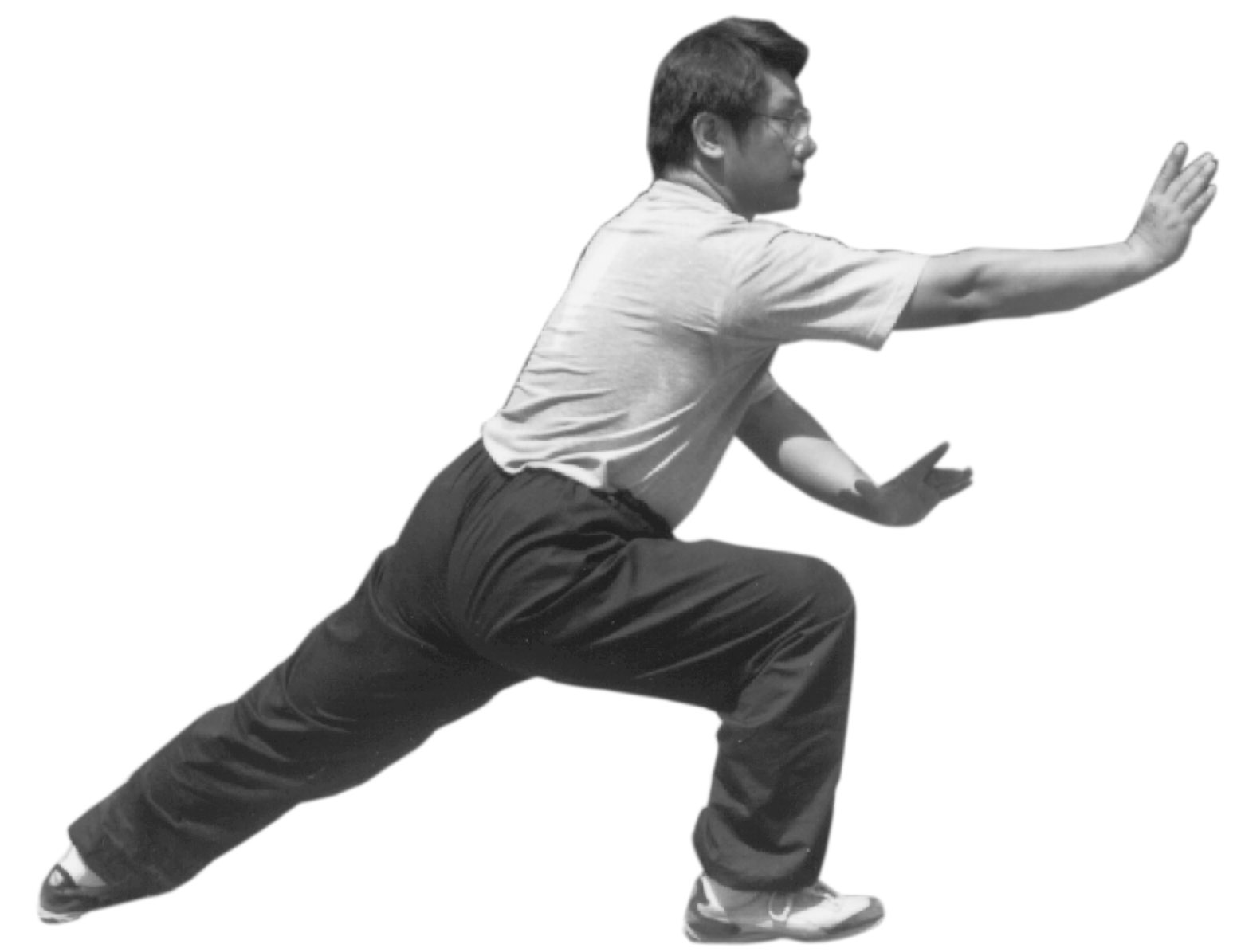
Luo began training martial arts around 1968, learning Shaolin from relatives. In the eighth grade, a classmate who studied at Hong Yixiang’s (洪懿祥) Tang Shou Dao school showed him what he had been practising. Luo tried the school briefly, disliked the basic Tang Shou Dao conditioning, and left — then returned in 1971 once he realised that path led into Xingyiquan.
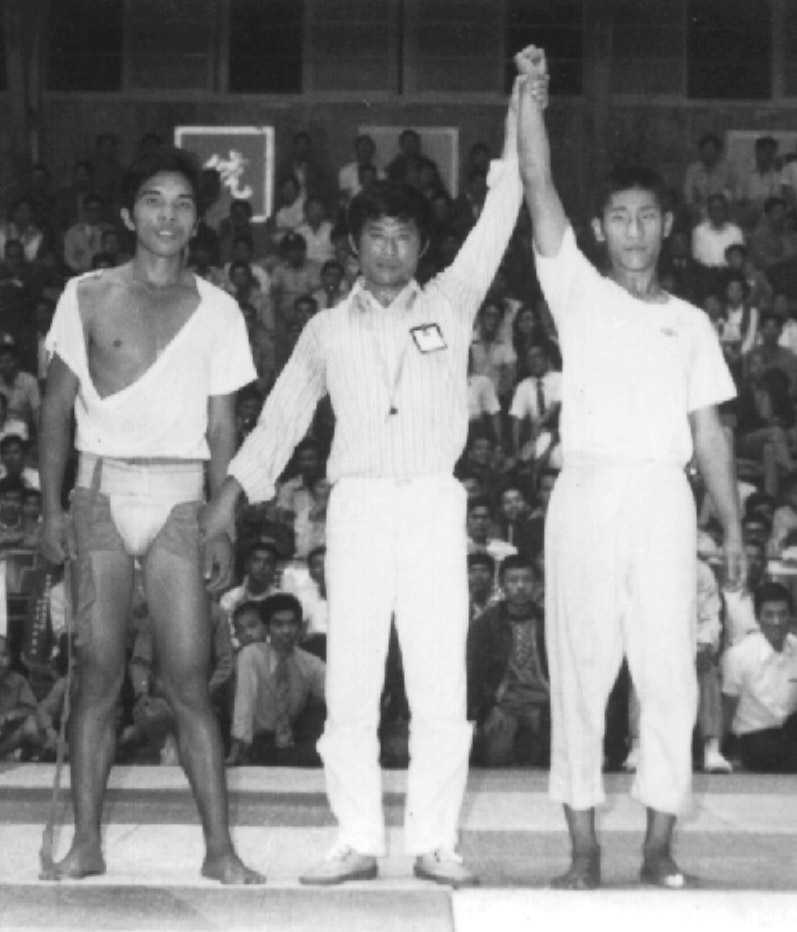
The early 1970s were a high point for martial arts in Taiwan, and Hong’s school had roughly two hundred students. From 1972 to 1974, Luo threw himself into tournament fighting. Whenever he was taught something new, he wanted to know how it worked in a fight. Hong already taught Xingyi with fighting in mind; Luo and a small group of classmates pressed further into applications and asked endless questions.
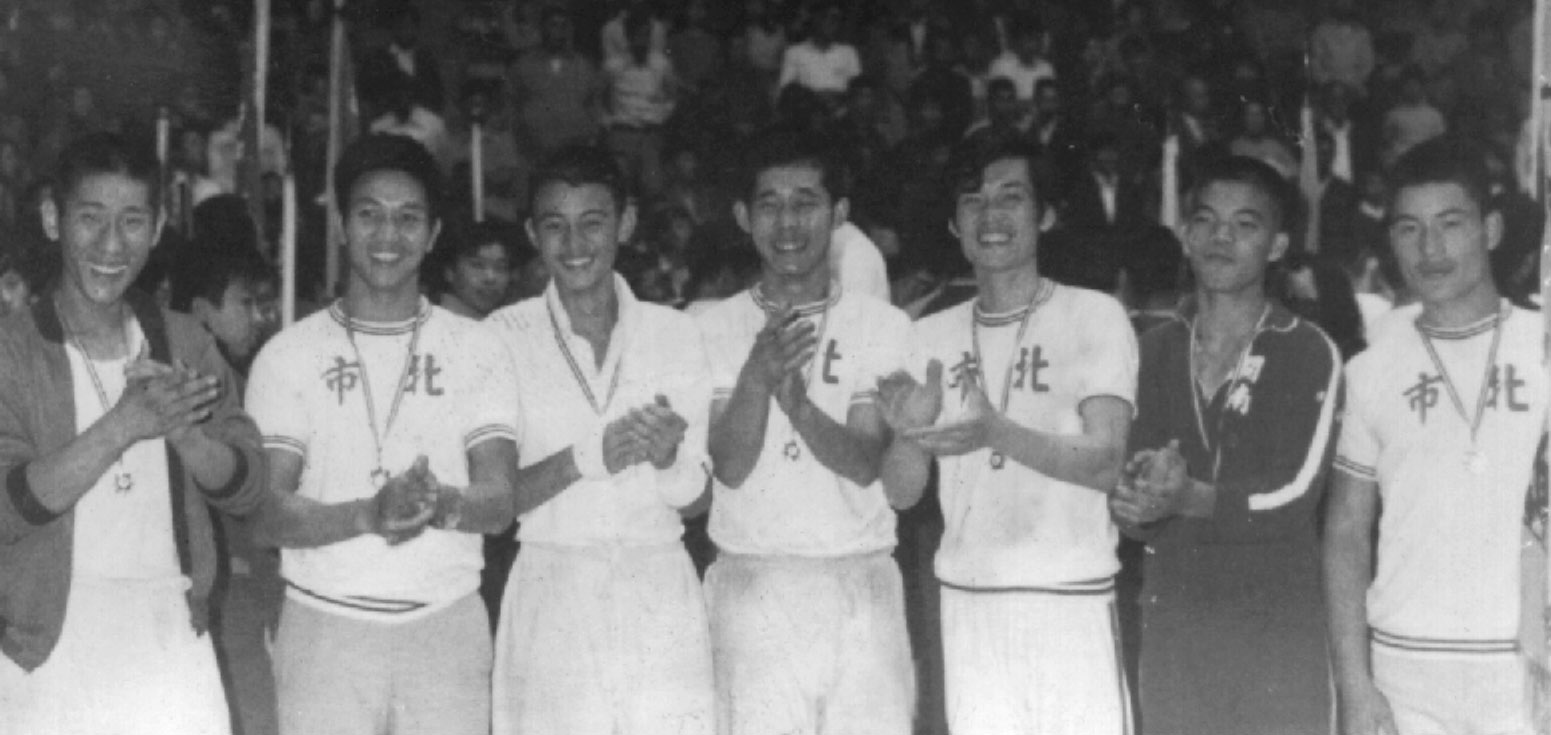
Hong recognised that drive. When visitors came to test the school, he often sent Luo out to meet them. Luo beat many challengers — and where he did not, he trained harder. He became one of Hong’s best fighters of that generation. Years later, Hong still pointed to a national tournament trophy Luo had won for the school nearly twenty years earlier.
Researching Zhang Junfeng’s system
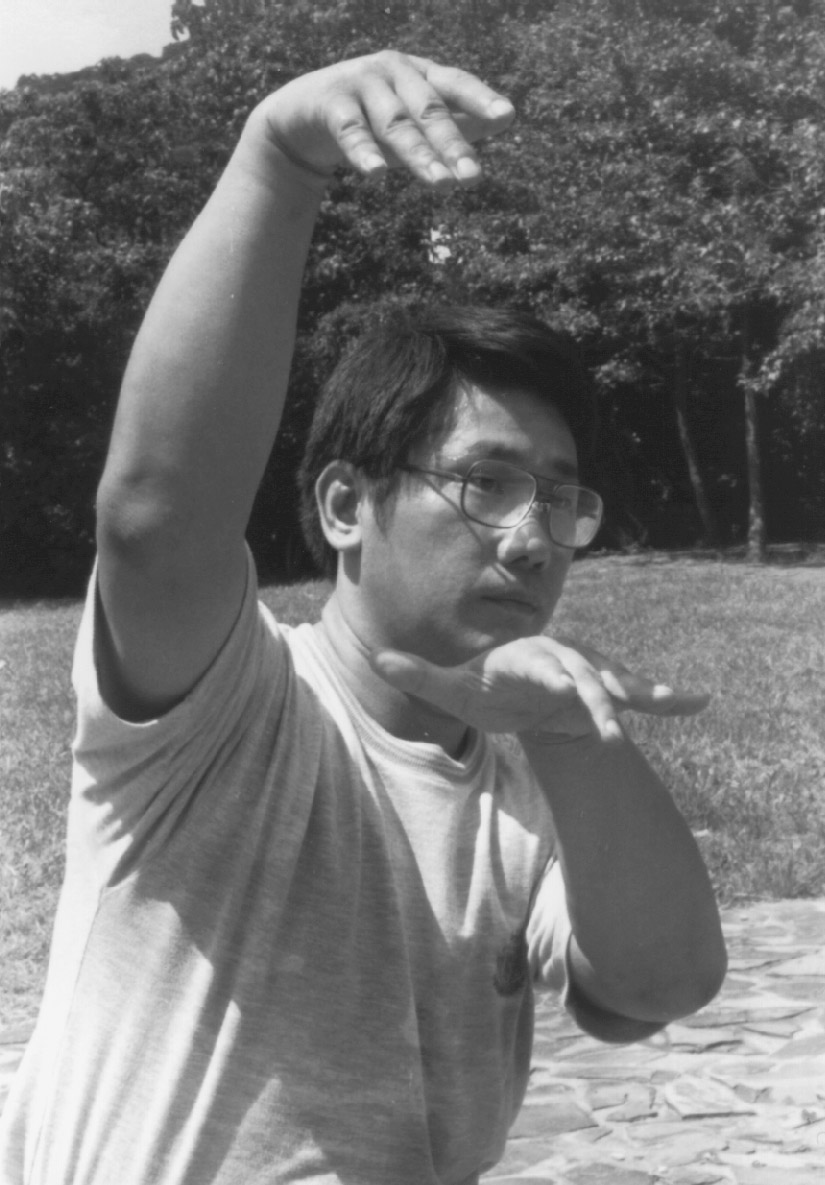
Around 1974 Luo began visiting other teachers to broaden his understanding. At Hong’s school he had mainly studied Xingyi. With Hong’s brother Hong Yimian (洪懿棉) he opened up the Baguazhang side of Zhang Junfeng’s curriculum; with Hong Yiwen (洪懿文) he found a gift for explaining principle and theory.
He sought out other students of Zhang Junfeng (張俊峰) — the man who brought Gao-style Baguazhang to Taiwan under the school name Yizong. Each of the Hong brothers had received something different from Zhang: Hong Yixiang’s strength in sticking and infighting; Hong Yimian’s skill at open sparring from distance; Hong Yiwen’s clarity of principle. Luo set out to piece the whole system together.
He also discovered that Zhang taught early Taiwan students differently from later ones — intensive short programmes while he still expected to return to the mainland, then a more systematic curriculum once that hope faded. Students of the same generation still interpreted the material through their own bodies and preferences. Luo visited widely, read every Bagua book he could find, and kept asking questions until the finer points began to show.
Navy years and Liu Qian
In 1977 Luo entered the Navy. Free time went into Baguazhang practice. In Kaohsiung he met his second formal Bagua teacher, Liu Qian (劉潛) — an early student of Sun Xikun (孫錫堃). Liu was about ninety; Luo studied with him every weekend for two years.
Because of Liu’s age, Luo did not learn new forms from him. Instead Liu watched the Bagua Luo already practised and filled in concepts, fighting methods, weapons thinking, neigong, and throwing. The most important gift, Luo later said, was learning how to see how the whole system fits together — knowledge that shaped how he designs training for students.
After leaving the Navy in 1980 he returned to Taipei, shared what he had learned with old classmates, and stayed in contact with Hong. When the BBC filmed The Way of the Warrior on Hong’s school in 1983, Hong chose Luo to demonstrate Baguazhang.
Approach to teaching
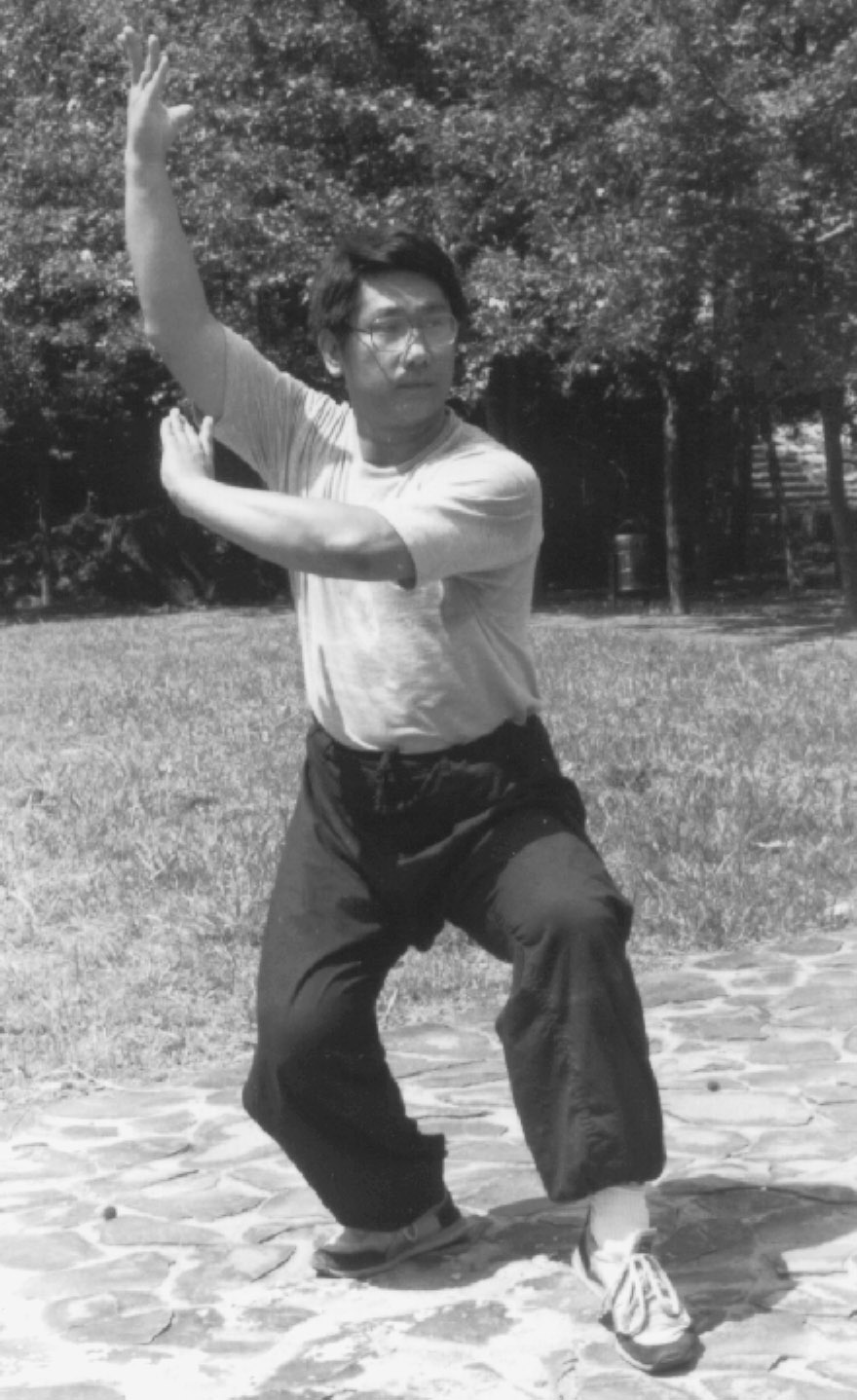
By the early 1990s, long-term Western students who had moved to Taiwan specifically for the internal arts were gravitating to Luo’s class — people who had lived and trained there for eight to twenty years. He had deep knowledge of principle, first-rate movement and application, and an open, direct way of teaching. He did not run a formal advertised school; students found him by word of mouth.
His classes begin with qigong to open, strengthen, and “reset” the body — clearing interference so natural power can connect. Then come basic hand methods that train alignment, connection, and unified whole-body power (zheng jing). Only then does circle walking and the Post-Heaven (Hou Tian) sequences begin in earnest.
Beginners walk a generous circle — at least twelve steps per revolution — putting the feet down softly, keeping the body balanced and comfortable, and twisting from the yao kua (hips and inner thigh) rather than collapsing the waist. He evaluates each student individually: how much material, when, and in what order. Teaching the internal arts, he insists, is not dumping a fixed curriculum on everyone the same way.
Principles and levels of form
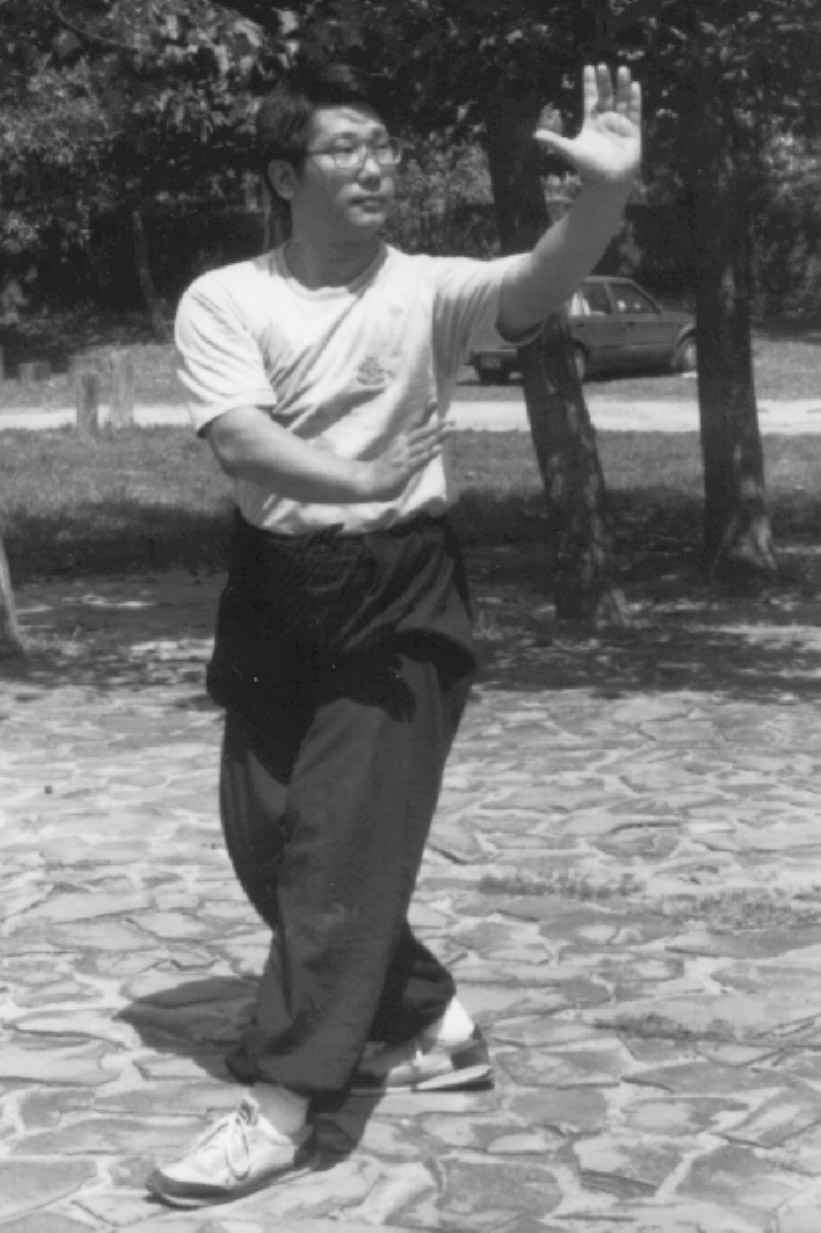
Luo asks students to look beyond “technique” and investigate what each movement conveys in principle. He frames the work through ideas drawn from the I Ching — regular change, simple change, and no change — and through three fundamental Bagua movements: single palm change, double palm change, and smooth palm change. From those seeds, he shows, the Pre-Heaven (Xian Tian) form can be built and varied endlessly.
The same form sequence is trained through three progressive levels:
- Ba Mu Zhang (Eight Mother Palms) — each movement clearly defined; smooth root; body and mind combined; trained strength (gong li).
- Lian Huan Zhang (Continuously Linked Palms) — seamless transitions; power always available; force delivered through small, subtle movement.
- You Shen Zhang (Swimming Body Palms) — recognisable form, spontaneous timing and articulation; improvisation around the melodic line of the form.
He compares the path to a musician: scales, then fluent composition, then improvisation. In fighting, the ability to vary principles to fit the moment is the point.
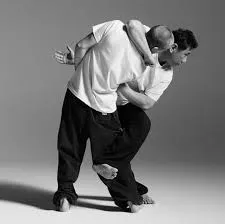
Pa Kua Chang is not a system of kung fu “techniques” as much as it is a conceptual framework which manifests change.
Fighting method
In Luo’s system the main vehicle for fighting foundations is the straight-line Post-Heaven (Hou Tian) curriculum — the sixty-four sets. Each set may look like a “technique,” but he discourages technique-collecting. Grasp the principle of motion, develop the body accordingly, and the principle can be applied in many ways.
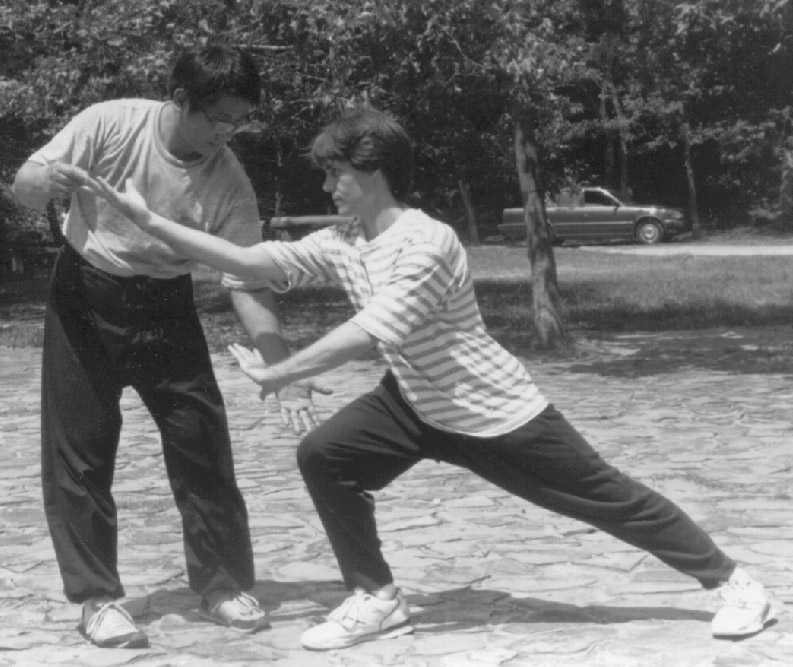
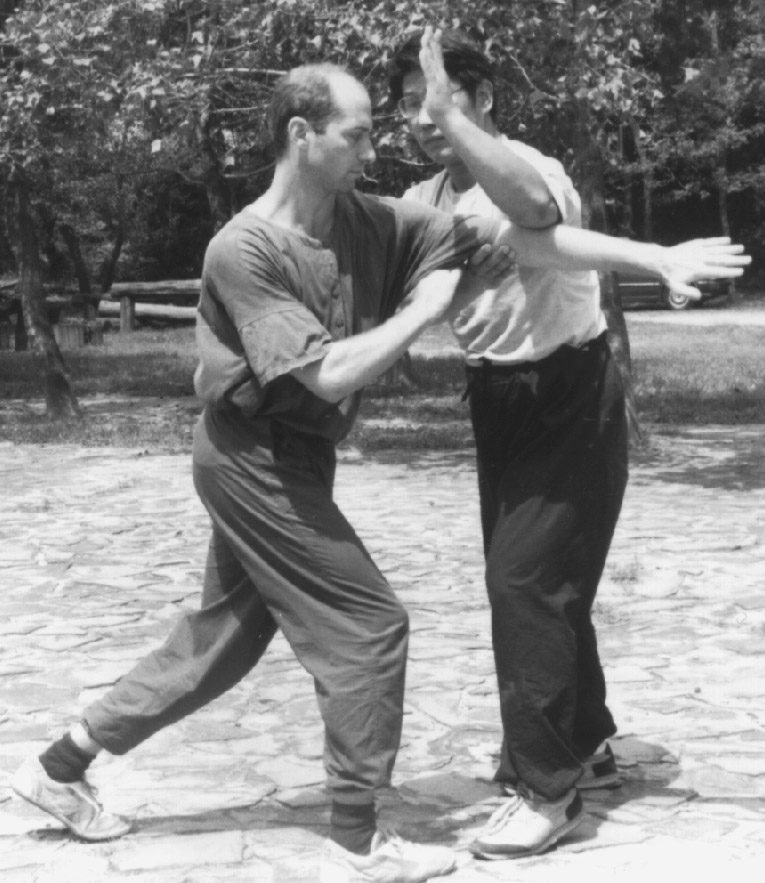
In a two-person encounter he returns again to three themes: the opponent moves and I am relatively stationary; the opponent is stationary and I move; both move. “Stationary” does not mean frozen — it can mean rotating in place to throw while the opponent travels.
In sparring he likes to take initiative, create a situation, then control it — often striking or grabbing the outside (hands and arms) to fluster or offset the opponent before entering to strike, kick, lock, or throw. The old saying “If the enemy doesn’t move, I don’t move; if the enemy moves, I move first” he reads as a calm heart on standby: even in motion the mind stays quiet; when the opponent sets up, you arrive first.
Basic hand methods
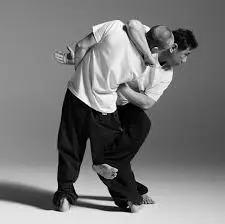
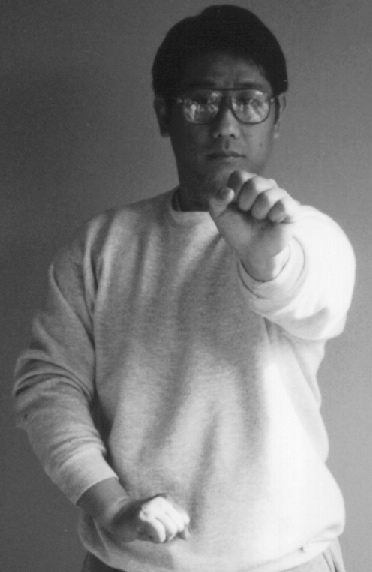
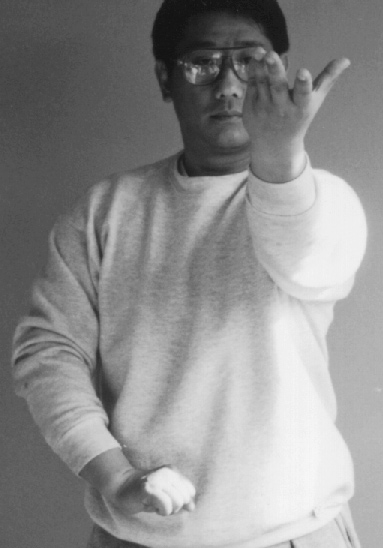
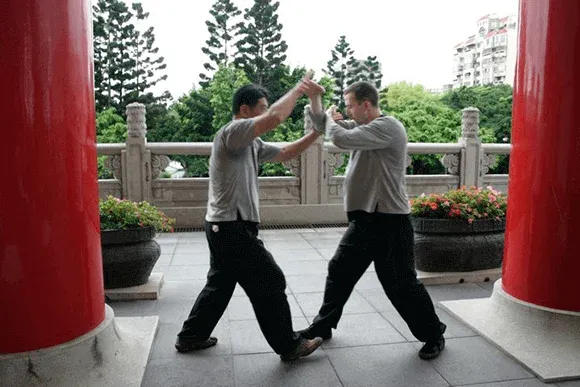
Clear hand shapes and issuing methods — entering, adhering, locking, and finishing — remain central to how Luo trains body unity. The photographs below come from a later feature in the same journal series on his basic hand syllabus.
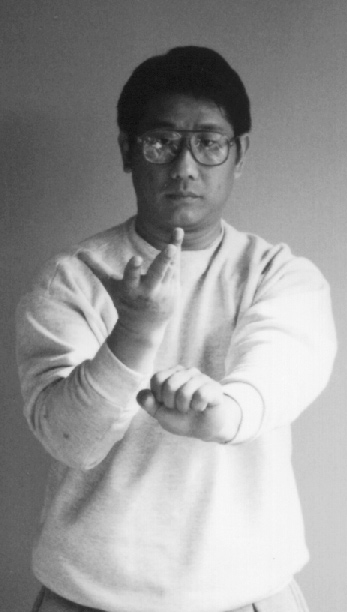
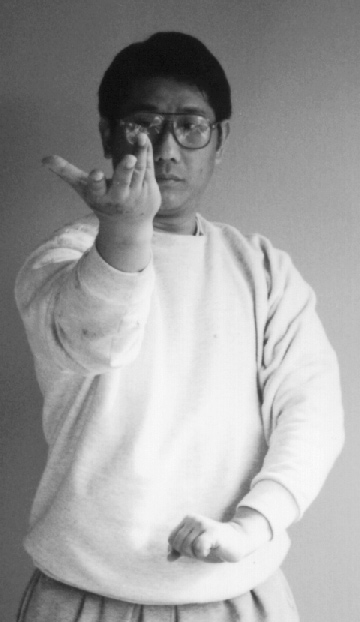
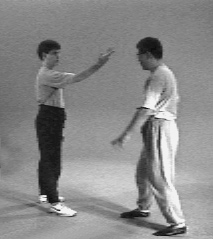
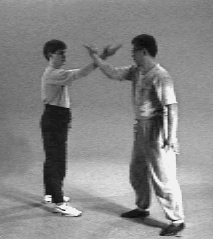
Luo Dexiu and The Moral Dragon
Ollie Smith first met Luo Dexiu at a UK seminar in 2000, then moved to Taiwan to train with him five days a week for years — later teaching in Luo’s Chiang Kai-shek Memorial Park classes in Taipei. The school name 龍德館 (Long De Guan — The Moral Dragon) and Ollie’s certification come from that relationship.
Monday classes in Bath continue Gao-style Baguazhang from this line. Xingyiquan is available by booking; Chen Panling Taijiquan remains part of the wider Yizong syllabus Luo practices and teaches.
Sources
- Dan Miller, “Lo Te-Hsiu: Carrying On the Tradition of Chang Chun-Feng’s Pa Kua Chang,” Pa Kua Chang Journal Vol. 3 No. 5 (July/August 1993), pp. 22–30 — interviews with Luo Dexiu in Taipei, September 1992 and March 1993; translation assistance Tim Cartmell and Bill Tucker.
- “Luo De Xiu’s Basic Hand Techniques,” Pa Kua Chang Journal Vol. 4 No. 2 (January/February 1994).
- Luo Dexiu — Wikipedia (birth year, styles, Tang Shou Dao entry, seminar teaching).
Wade–Giles spellings in the 1993 journal (Lo Te-Hsiu, Hung I-Hsiang, Chang Chun-Feng) are given here in the pinyin forms used elsewhere on this site.